
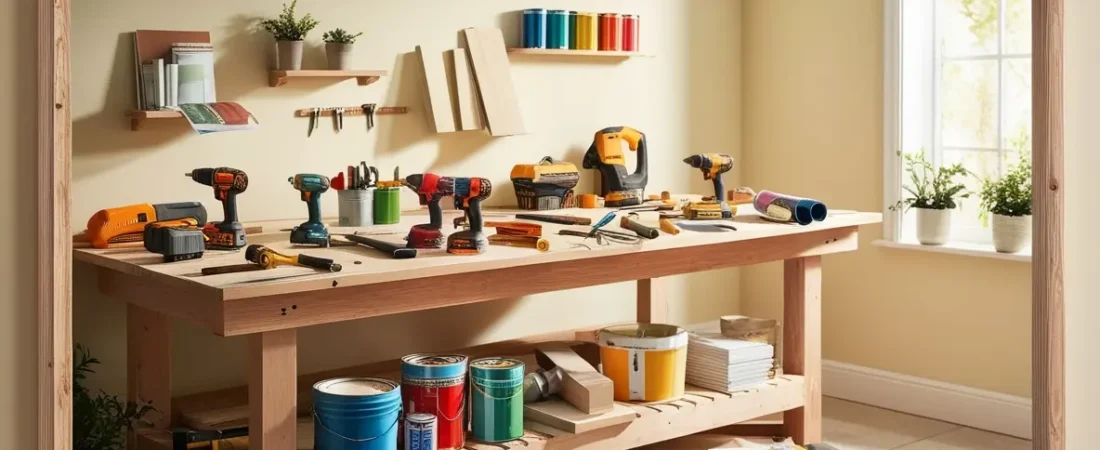
Home improvement can seem daunting, especially if you’re not a trained professional. However, with the right guidance and a can-do spirit, you can tackle various DIY projects that will enhance your home’s functionality and aesthetic appeal. This guide will explore a range of DIY home improvement ideas, from simple upgrades to more challenging renovations, to inspire you to get started.
Why Choose DIY Home Improvement?
Taking on DIY home improvement projects allows homeowners to personalize their spaces while potentially saving money. Here are a few compelling reasons to consider a DIY approach:
- Cost Savings: Hiring professionals can be expensive, but many tasks can be accomplished for much less by doing it yourself.
- Personalization: DIY projects enable you to express your style and preferences, resulting in a home that truly reflects you.
- Skill Development: With each project, you’ll gain valuable skills and confidence that can benefit you in the long run.
- Satisfaction: There’s a unique joy that comes from creating something yourself and seeing tangible results.
Getting Started with DIY Home Improvement
Before diving into specific projects, it’s essential to set the stage for your DIY efforts. Here are a few preliminary steps:
1. Assess Your Space
Take a close look at your home. Identify areas that need improvement, renovation, or simple updates. Consider not only what changes would enhance aesthetics but also your lifestyle needs.
2. Set a Budget
Budgeting is integral to any home improvement project. Determine how much you can afford to spend while keeping in mind that DIY can save you money. Create a budget outline covering materials, tools, and any potential unforeseen expenses.
3. Gather Tools and Materials
Preparing your toolkit in advance can make your projects smoother and more efficient. Some essential tools for general home improvement include:
- Screwdrivers (flathead and Phillips)
- Hammers
- Tape measure
- Levels
- Paintbrushes and rollers
- Power drill
- Safety gear (goggles, gloves)
DIY Home Improvement Projects to Consider
Let’s explore a range of DIY home improvement projects that can add value to your space, enhance functionality, and elevate aesthetics.
1. Fresh Paint: A Simple Yet Impactful Change
One of the most straightforward home improvements is painting. A fresh coat of paint can transform a room, making it feel new and alive.
Steps to Paint a Room
- Choose Your Colors: Consider a color palette that complements your home’s existing décor.
- Preparation: Remove furniture or cover it with drop cloths. Tape edges around moldings and windows to ensure clean lines.
- Paint: Start with a primer if you are painting over a dark color or glossy finish. Use a roller for large areas and a brush for corners and edges.
- Dry and Inspect: Allow the paint to dry thoroughly before considering a second coat.
2. Upgrade Cabinet Hardware
One of the easiest ways to give your kitchen or bathroom a fresh look is by simply changing out the hardware on cabinets and drawers.
Steps to Upgrade Cabinet Hardware
- Choose New Hardware: Explore different styles and finishes that match your decor—think knobs, handles, and pulls.
- Remove Existing Hardware: Carefully take off the old knobs and handles.
- Install New Hardware: Align the new hardware with existing holes or mark new holes based on the length of your new handles. Secure them with a screwdriver.
3. Create an Accent Wall
An accent wall can add depth and interest to any room. You can use paint, wallpaper, or even wood for a unique look.
Steps to Create an Accent Wall
- Choose Your Material: Decide on paint, wallpaper, or reclaimed wood.
- Preparation: Like painting, remove any furniture and clean the wall.
- Implementation: If painting, apply tape and paint your accent color. If using wallpaper, follow the manufacturer’s instructions. For wood, measure and cut pieces to fit the wall before applying adhesive or mounting.
4. Brighten Up Spaces with Lighting
Updating or adding new lighting fixtures can completely change the atmosphere of a room.
Steps to Update Lighting Fixtures
- Select Your Fixtures: Consider ambient, task, and accent lighting options.
- Turn Off Power: Safety first! Always turn off electricity at the breaker before starting this project.
- Remove Old Fixture: Unscrew the existing fixture from the ceiling/wall.
- Install New Fixture: Follow the manufacturer’s instructions to connect wires appropriately and secure the fixture.
- Restore Power: Turn on the power and test your new light.
5. Install Crown Molding
Crown molding can add a touch of elegance to any room. Installing it yourself can be a rewarding and relatively affordable endeavor.
Steps to Install Crown Molding
- Measure the Room: Measure the lengths of each wall to determine how much molding you’ll need.
- Cut the Molding: Use a miter saw to cut the molding at a 45-degree angle for a seamless corner fit.
- Attach Molding: Use construction adhesive to attache the now-cut sections to the walls and secure with finishing nails.
- Finish Off: Fill holes with wood filler and paint or stain as needed.
6. Create a Functional Entryway
A well-designed entryway can make a lasting first impression. You can create hooks, benches, and storage solutions to organize your space.
Steps to Design Your Entryway
- Plan Layout: Determine how much space you have available and what features you’d like.
- Build or Buy Storage: Consider building a simple bench with storage beneath or purchasing a pre-made option.
- Install Hooks: Hang stylish hooks for coats and bags, ensuring they are easily accessible.
7. Revitalize Your Outdoor Space
An inviting outdoor area can enhance your home’s curb appeal. Simple landscaping changes or installing a new patio can transform the space.
Steps to Upgrade Your Outdoor Space
- Assess the Area: Identify what you’d like to do—garden, patio, or outdoor seating.
- Select Plants: Choose low-maintenance plants that complement your home.
- Install Hardscaping: If creating a patio, begin by laying down gravel or pavers for the base.
- Furnish: Add seating, tables, and perhaps some lighting to complete the look.
8. Build Floating Shelves
Floating shelves offer a stylish way to display decor or store books. They can be easily customized to fit your space.
Steps to Build Floating Shelves
- Choose Your Materials: Select wood that matches your decor.
- Measure and Cut: Cut the wood to your desired shelf length.
- Attach Brackets: Mount brackets to the wall studs ensuring they can support the weight of your items.
- Install Shelves: Place the shelves on the brackets and secure them properly.
9. Bathroom Revamp: Update Fixtures and Accessories
Revamping your bathroom doesn’t have to be a massive project; small updates can yield significant results.
Steps to Upgrade Your Bathroom
- Faucets and Showerheads: Swap out old fixtures for modern, stylish options.
- Mirrors: Replacing or framing existing mirrors can dramatically change the room’s appearance.
- Storage Solutions: Add shelving or cabinets for better organization.
10. Energy Efficiency Upgrades
Enhancing the energy efficiency of your home can save money and improve comfort. Consider installing weather stripping or energy-efficient appliances.
Steps to Improve Energy Efficiency
- Assess Insulation: Check for drafts around windows and doors and apply weather stripping as necessary.
- Upgrade Appliances: If possible, replace older appliances with ENERGY STAR-rated alternatives to reduce energy consumption.
- Switch to LED Bulbs: Replace incandescent bulbs with LED options to lower energy use and increase lifespan.
Conclusion
Taking on DIY home improvement projects is a rewarding and fulfilling way to enhance your living space. Whether you choose to tackle a simple paint job or a more involved installation like crown molding, each project brings the opportunity to learn and grow as a homeowner. Start small if you’re unsure, and gradually build your skills and confidence.
Remember, the key to successful DIY improvements is thorough planning, proper execution, and a willingness to get creative. For additional resources and inspiration, explore The Home Depot’s DIY Projects to help you along your renovation journey!
Happy DIYing!