
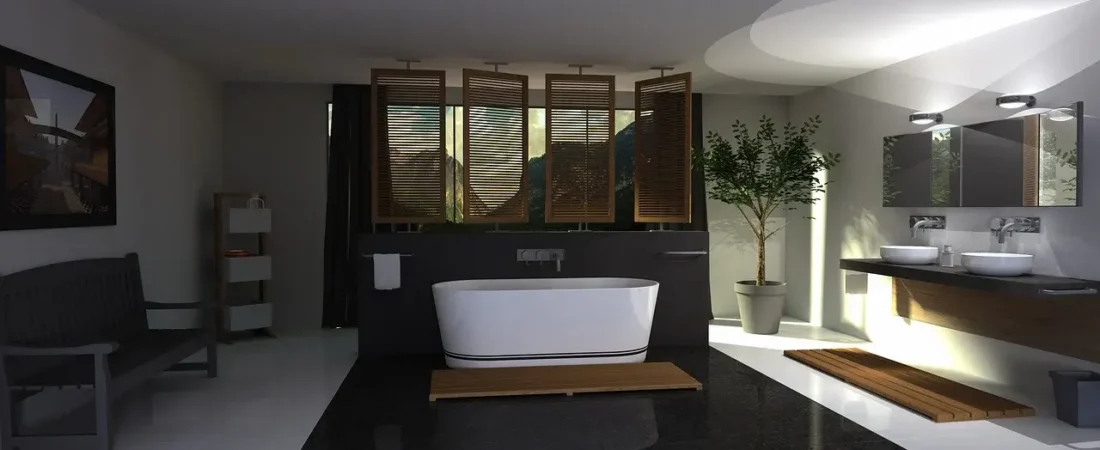
When it comes to home design, bathrooms often become overlooked. However, a well-designed bathroom can add value to your home while providing a personal sanctuary that combines relaxation and functionality. Classic bathroom design is a great choice for homeowners looking to create an atmosphere of elegance and comfort. This article will explore the key features, styles, and elements that define classic bathroom design, alongside tips for achieving the look in your own space.
What is Classic Bathroom Design?
Classic bathroom design refers to a style that emphasizes timeless elements, symmetry, and a harmonious color palette. It often draws inspiration from historical architectural elements and furniture styles, allowing for a cohesive and refined look. This design approach combines vintage aesthetics with modern comforts, striking a perfect balance between elegance and functionality.
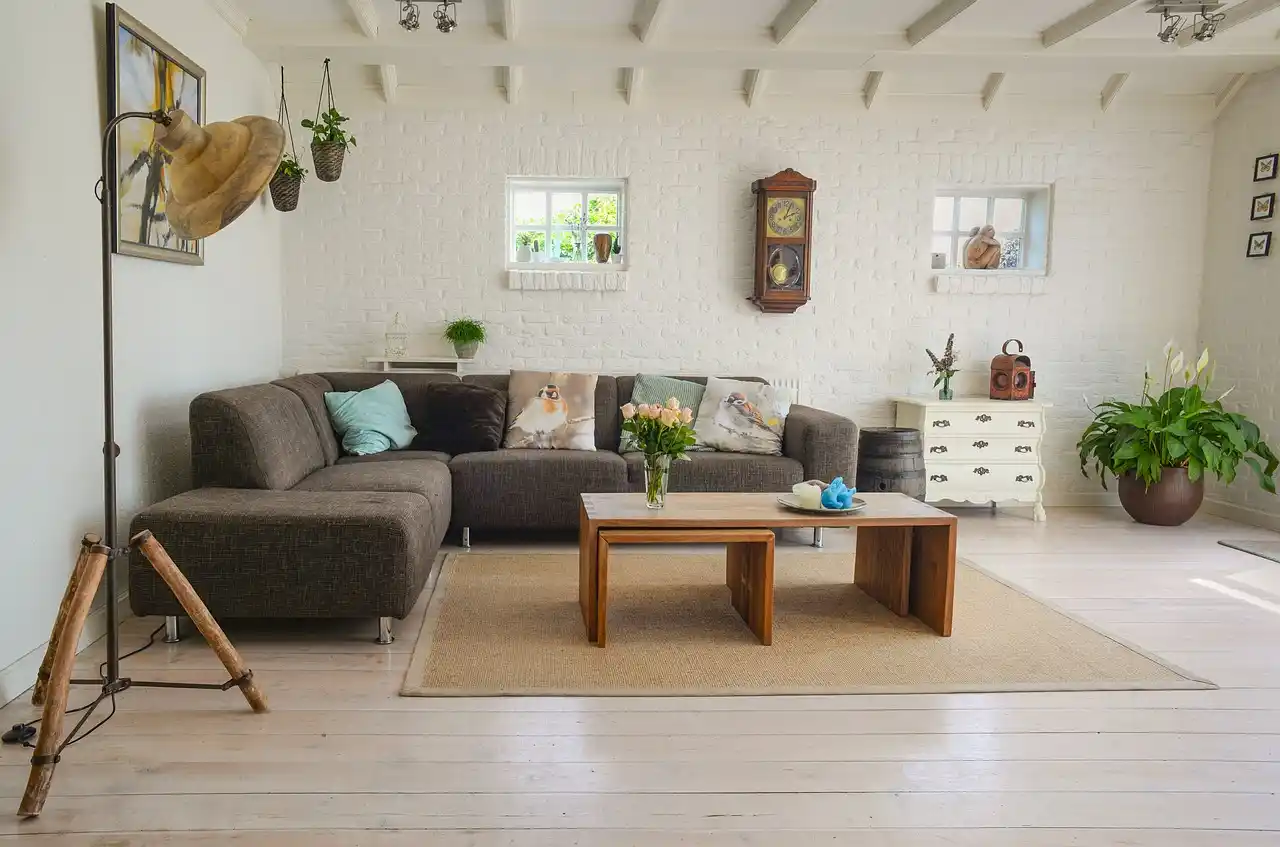
Key Characteristics of Classic Bathroom Design
- Timeless Color Palette: Classic bathrooms typically feature neutral tones such as whites, creams, soft grays, and muted earth tones. These colors create a serene atmosphere while allowing other design elements to shine.
- Luxurious Materials: High-quality materials such as marble, porcelain, and fine wood are commonly used in classic bathrooms. These materials not only enhance the beauty of the space but also ensure durability.
- Symmetry and Balance: Classic design focuses on symmetry, leading to layouts that are well-balanced. This quality promotes a calming and organized atmosphere.
- Elegant Fixtures: Fixtures in a classic bathroom often feature intricate details, such as vintage-inspired faucets, pedestal sinks, and clawfoot tubs. These elements add an artistic touch to the space.
The Evolution of Classic Bathroom Design
Classic bathroom design has evolved over the centuries, reflecting various styles and trends. Understanding its historical context can help you appreciate the beauty and functionality of classic elements in modern design.
Historical Influences
- The Victorian Era (1837-1901): This period saw the introduction of indoor plumbing and the birth of the modern bathroom. Victorian bathrooms were characterized by ornate details, elaborate fixtures, and rich colors.
- The Art Deco Movement (1920s-1930s): This style introduced geometric patterns, bold colors, and luxurious materials. While not inherently “classic,” many Art Deco elements have been integrated into classic designs for their timeless elegance.
- Mid-Century Modern (1940s-1960s): Although more contemporary, mid-century modern design focused on clean lines and functionality, which can blend seamlessly with classic elements in a hybrid design approach.
Elements of Classic Bathroom Design
To create a classic bathroom, focus on the following key elements that define this timeless style.
1. Flooring
Natural Stone and Tile: Classic bathrooms often feature natural stone or porcelain tile flooring. Marble remains one of the most popular choices due to its luxury and timeless appeal. Use it in neutral shades for a sophisticated touch.
Classic Patterns: Consider using classic checkerboard patterns or herringbone layouts for added visual interest. These patterns can be especially effective in smaller bathrooms to create a sense of depth.
2. Vanities and Storage
Freestanding Vanities: A classic bathroom often uses freestanding vanities with intricate craftsmanship. Look for options in wood with a timeless finish to evoke a vintage feel.
Elegant Cabinetry: Built-in cabinets with crown molding can add sophistication and serve as essential storage. Choose finishes that complement your color palette and fixtures, ensuring that they blend without overwhelming the space.
3. Fixtures and Faucets
Traditional Faucets: Opt for faucets and showerheads with traditional designs, such as bridged or cross-handle models. Polished chrome, brushed nickel, or oil-rubbed bronze finishes can enhance the vintage aesthetic.
Toilets and Sinks: Use rounded pedestal sinks to maintain a timeless charm. Wall-mounted toilets can also add a classic touch while saving space.
4. Bathtubs and Showers
Clawfoot Tubs: Nothing embodies classic bathroom design quite like a clawfoot tub. These freestanding bathtubs serve as a stunning focal point and invite relaxation.
Walk-in Showers with Glass Panels: If space allows, consider a walk-in shower with glass panels to maintain an open feel. Incorporate classic tiles and fixtures for continuity in design.
5. Decorative Accents
Crown Molding and Trim: Adding crown molding can enhance the elegance of your bathroom. Opt for traditional styles that complement your other design elements.
Lighting: Use vintage-style light fixtures, such as wall sconces or chandeliers, to contribute to the classic ambiance. Dimming options allow for versatility depending on the time of day.
6. Textiles and Accessories
Quality Linens: Invest in plush towels and bath linens in soft colors. Layering textures, such as cotton and linen, can elevate the comfort level of your bathroom.
Incorporate Plants: Adding greenery with potted plants or fresh flowers can bring life to your classic bathroom. Look for low-maintenance options that thrive in humid environments.
Classic Bathroom Design Styles
Understanding the different styles within the classic paradigm can help you decide which elements to incorporate into your design.
1. Traditional Style
Traditional bathrooms often emphasize symmetry, rich textures, and elegant details. Dark woods and adorned fixtures are prominent, along with rich colors to create a cozy, welcoming atmosphere.
2. French Country
French country design combines rustic charm with elegance. Think distressed woods, vintage ceramics, and floral textiles. Soft color palettes along with vintage light fixtures will create an inviting space.
3. Colonial Revival
Colonial revival bathrooms embrace classic symmetry with painted cabinetry, marble counters, and traditional fixtures. Historical references such as wainscoting and beadboard enhance authenticity.
4. Art Deco
Adding Art Deco elements—such as geometric patterns, bold colors, and luxury materials—can transform a classic bathroom into a statement-making space. The key is to select Art Deco pieces that harmonize with traditional elements.
5. Vintage Glam
Vintage glam combines the elegance of classic design with the glitz of glamour. Think of crystal chandeliers, gold fixtures, and elegant textiles that add a luxurious touch to traditional styles.
Tips for Designing Your Classic Bathroom
Now that you have a clear idea of classic bathroom design, here are some tips to help you create your own dream space.
1. Plan Your Layout
Before diving into the design, sketch out a layout that maximizes functionality while considering aesthetics. Ensure there’s enough room for essential fixtures and a seamless traffic flow.
2. Invest in Quality Materials
Always prioritize high-quality materials when designing a classic bathroom. Durable materials enhance both the longevity and appearance of your space, allowing for a timeless appeal.
3. Focus on Lighting
Integrate a combination of ambient, task, and accent lighting to achieve a well-lit atmosphere that also highlights key design elements. Use a mixture of fixtures to create depth.
4. Personalize the Space
Inject personal touches into the design, whether through artwork, family heirlooms, or chosen textiles. These elements add character and uniqueness to your classic bathroom.
5. Hire a Professional
If you’re feeling overwhelmed or lack confidence in your design skills, consider hiring an interior designer with experience in classic designs. They can help guide you through selections and ensure cohesion.
Maintaining a Classic Bathroom
Once your classic bathroom is completed, regular maintenance is key to preserving its beauty. Follow these tips to keep your space looking flawless:
1. Regular Cleanings
Clean surfaces regularly using mild detergents and avoid harsh chemicals that can damage finishes. Pay special attention to grout lines, caulking around sinks, and tubs.
2. Monitor for Wear and Tear
Check fixtures and plumbing regularly for signs of wear. Address any leaks or issues immediately to prevent further damage.
3. Seasonal Updates
Consider updating textiles and accessories seasonally to refresh the space without requiring major renovations. Incorporate different colors or patterns to maintain interest.
Conclusion
Classic bathroom design offers both timeless elegance and functionality, creating a sanctuary that harmonizes beauty with comfort. By focusing on quality materials, detailed craftsmanship, and thoughtful layouts, you can create a stunning space that reflects your personal style while providing lasting appeal.
Whether you’re starting from scratch or remodeling an existing bathroom, keep in mind the essential elements discussed here. A beautiful and functional classic bathroom can increase your home’s value and provide you with joy for many years to come.
For further insights and inspiration on classic bathroom design, visit Houzz, a trusted resource for home design and remodeling ideas.